
The Most Important Part of Any Flooring Job — and the One Most Companies Rush.
Before any floor goes down, the surface underneath has to be right. Level, stable, dry, and structurally sound. If it isn't, it doesn't matter how good your floor is — it will fail. Subfloor prep is what separates a floor that lasts decades from one that starts showing problems in two years.
Call for a free estimate: +1 317-978-5879
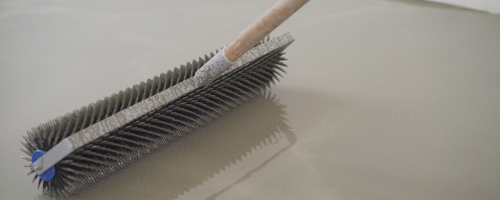
Self-Leveling Compound
For concrete or wood subfloors with low spots, dips, or uneven sections, we apply self-leveling compound to create a flat surface that your new floor can sit on without rocking, cracking, or developing hollow spots over time.
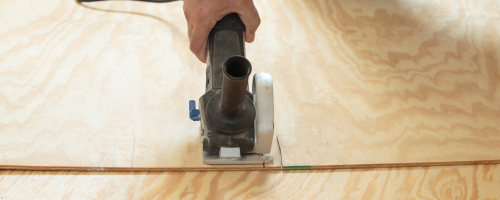
Luan
Installation
Luan is a thin plywood underlayment applied over existing subfloors to create a smooth, even surface — particularly useful for vinyl and laminate installations over older wood subfloors with imperfections that self-leveler alone won't address.
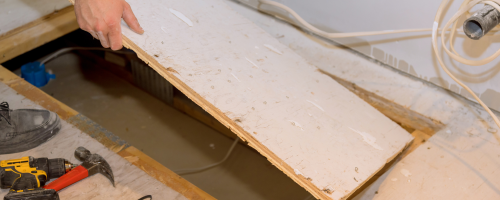
Plywood Subfloor Repair & Installation
Wood subfloors that are soft, squeaky, or structurally compromised need to be addressed before any new floor goes in. We secure, replace, or supplement plywood subfloor panels as needed to give your new floor a solid foundation.
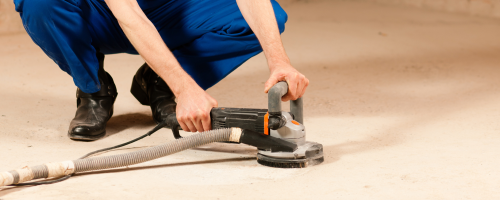
Sanding Down High Spots
High spots are just as problematic as low ones — they cause floating floors to rock, tile to crack, and hardwood to telegraph unevenness. We grind or sand down high spots on both concrete and plywood subfloors to meet the flatness tolerance required by your floor type.
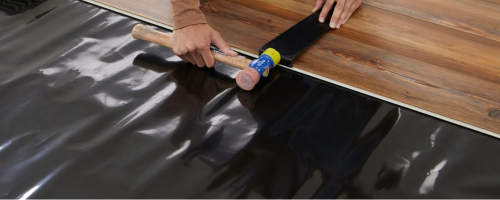
Moisture Barrier Installation
We install thin-film plastic moisture barriers over concrete subfloors for LVP and laminate installations where ground moisture migration is a concern. We also use moisture-resistant underlayment systems for specific applications.
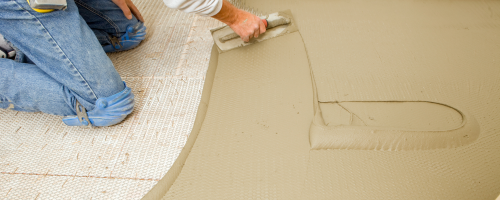
Concrete Subfloor Prep
Concrete subfloors require their own preparation process — grinding high spots, filling cracks and low areas, testing for moisture, and applying primer before self-leveling compound where needed. We handle all of it.
What Every Homeowner Should Know About Subfloors
We believe an informed client is the best kind of client. Here's what most installers won't tell you upfront:
The flatness tolerance for most floors is 3/16 of an inch over 10 feet. If your subfloor exceeds that, it needs to be addressed before install.
Moisture is the number one enemy of flooring. We take moisture readings on every job before materials go down.
Squeaky floors are almost always a subfloor issue — loose plywood, gaps between the subfloor and joists, or improper fastening. We address this before your floor goes in.
Not every installer will tell you your subfloor needs work. We will — because doing the job right matters more to us than doing it fast.
How Your Install Works

We inspect your existing subfloor — checking for level, moisture, structural integrity, and surface condition.

We identify all issues and walk you through exactly what needs to happen before your floor can be installed.

We complete all prep work — leveling, patching, securing, sanding, or installing new substrate as needed.

We verify the subfloor meets the flatness and moisture requirements for your specific floor type.

We begin your flooring installation once the subfloor passes our inspection.
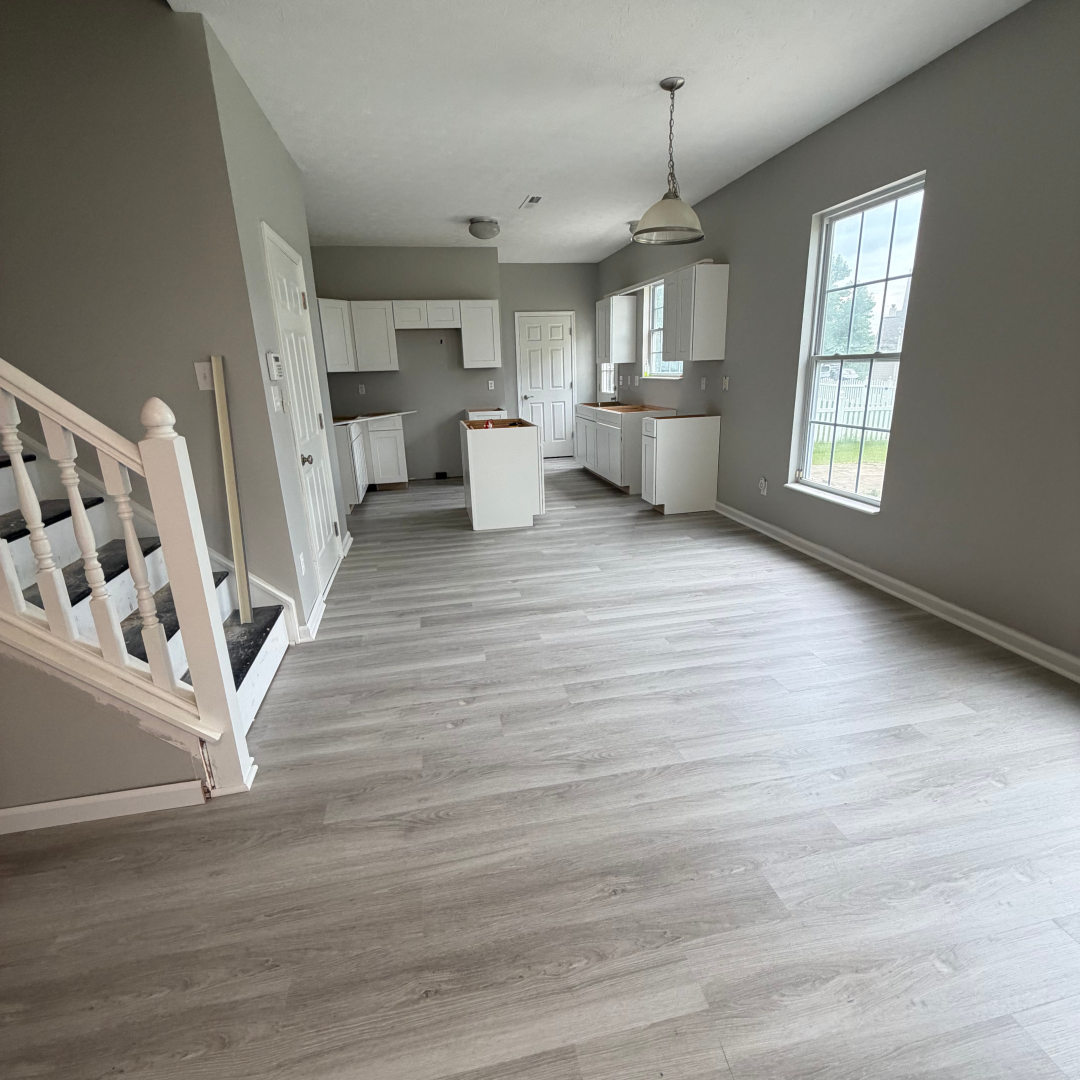
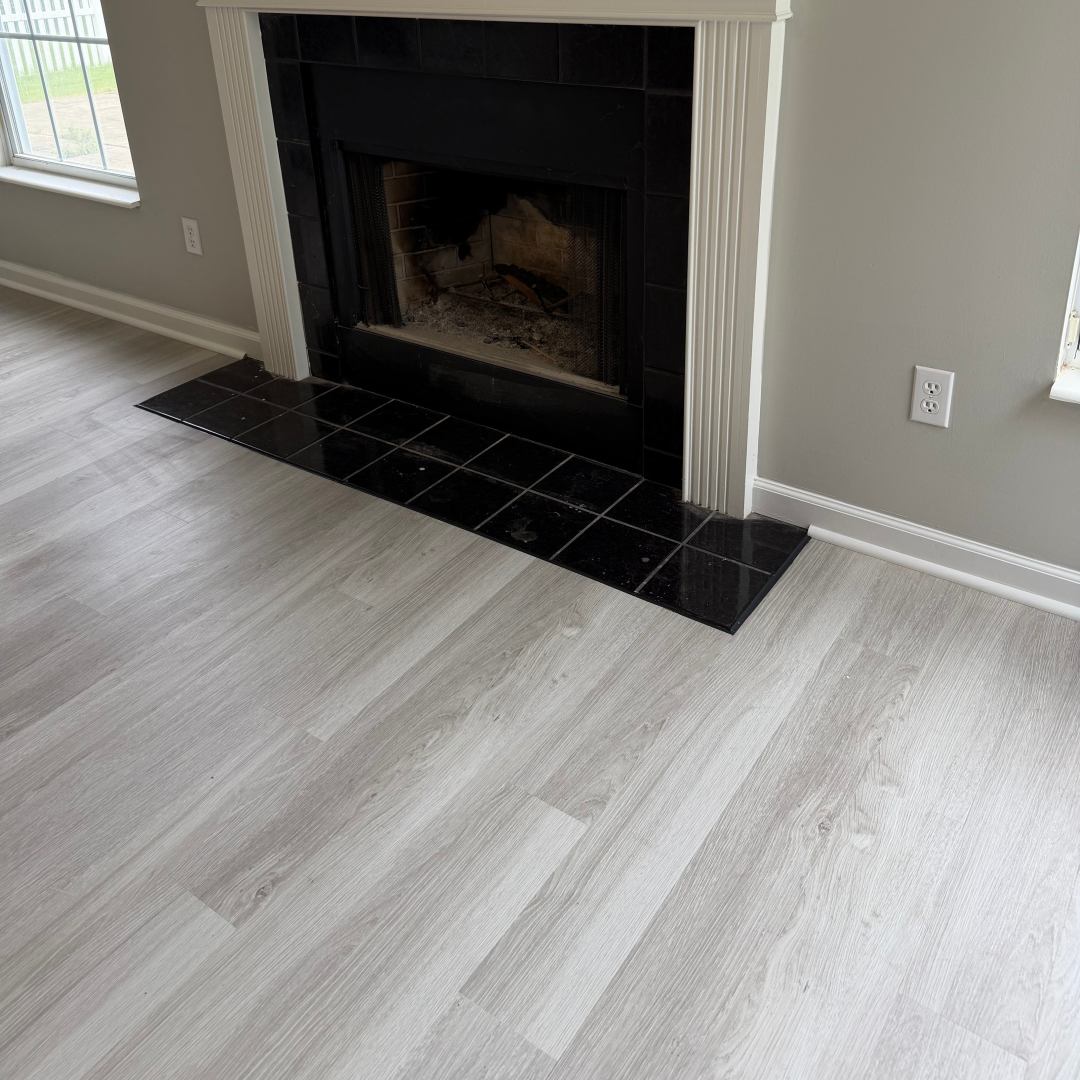
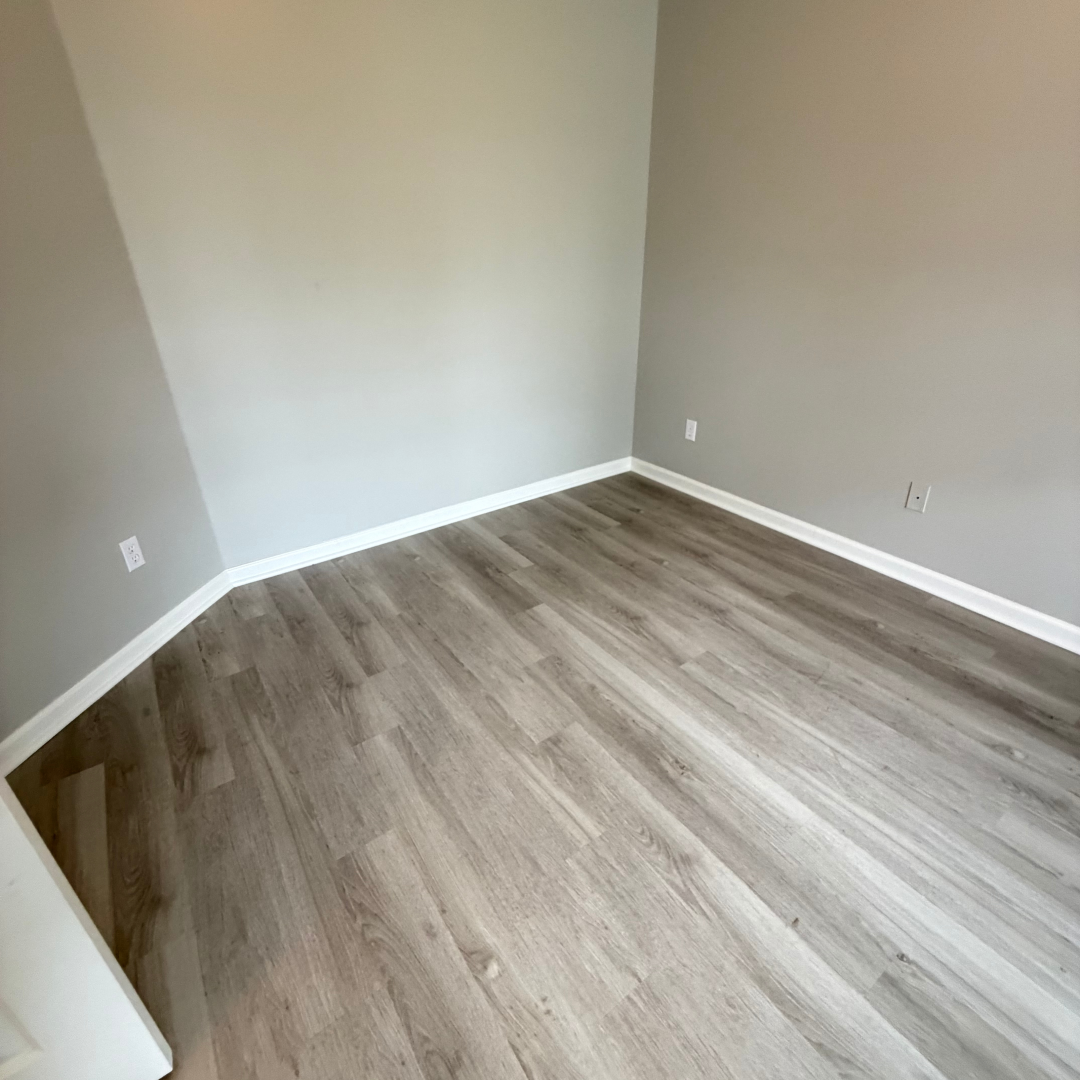
Recent Work
Don't Let a Bad Subfloor Ruin a Good Floor.
Schedule a subfloor inspection and let us tell you exactly what you're working with before you spend a dollar on materials.
Call or text +1 317-978-5879 to schedule your inspection.
SERVICES
COMPANY
SUPPORT
SERVICE AREAS


© Copyright 2026. Korr Floors LLC. All Rights Reserved.